

Are you new to the off-road community, or just starting to put together your first off-road recovery gear kit?
Either way, it doesn't have to be complicated: a strap, a couple of shackles, and gear that's actually rated for the job. What matters is getting a kit where those pieces are matched and rated correctly, not pieced together and hoped for the best. If you'd rather skip the guesswork, the ARB Weekender Recovery Kit is the perfect beginner-friendly off-road recovery gear kit.
This September, ARB is giving the Weekender Kit away with select purchases. Keep reading to see how to get yours!
Why Off-Road Recovery Gear Isn't Optional
Plenty of people head out with no recovery gear at all, and just as many head out with the wrong gear. No matter the terrain you're driving through, you need to have a vehicle recovery kit on board.
Here's why. When you're miles from pavement and out of cell service, whatever's already in your truck is what gets you unstuck. If you don’t have any gear or are bringing the wrong products, the chances of you getting unstuck are very slim.
But owning the right gear is only half of it. Knowing how to choose it and use it correctly is the other half.
Most people don't learn how a strap or shackle works until they're using it during a recovery. That's not exactly a low-stakes way to learn. Since you won't get many chances to learn the easy way, it matters that the gear you start with fits your rig and is built to last from day one.
What to Look for in a Complete Recovery Kit
That raises the obvious question: what actually needs to be in my recovery kit?
If you're new to off-roading or sticking to easy to moderate off-road trails, a few things are non-negotiable in a recovery kit. This is a basic setup built for straightforward recoveries, not the technical, high-consequence terrain where you'd want a more advanced kit and setup. Here’s what we recommend:
Snatch Strap
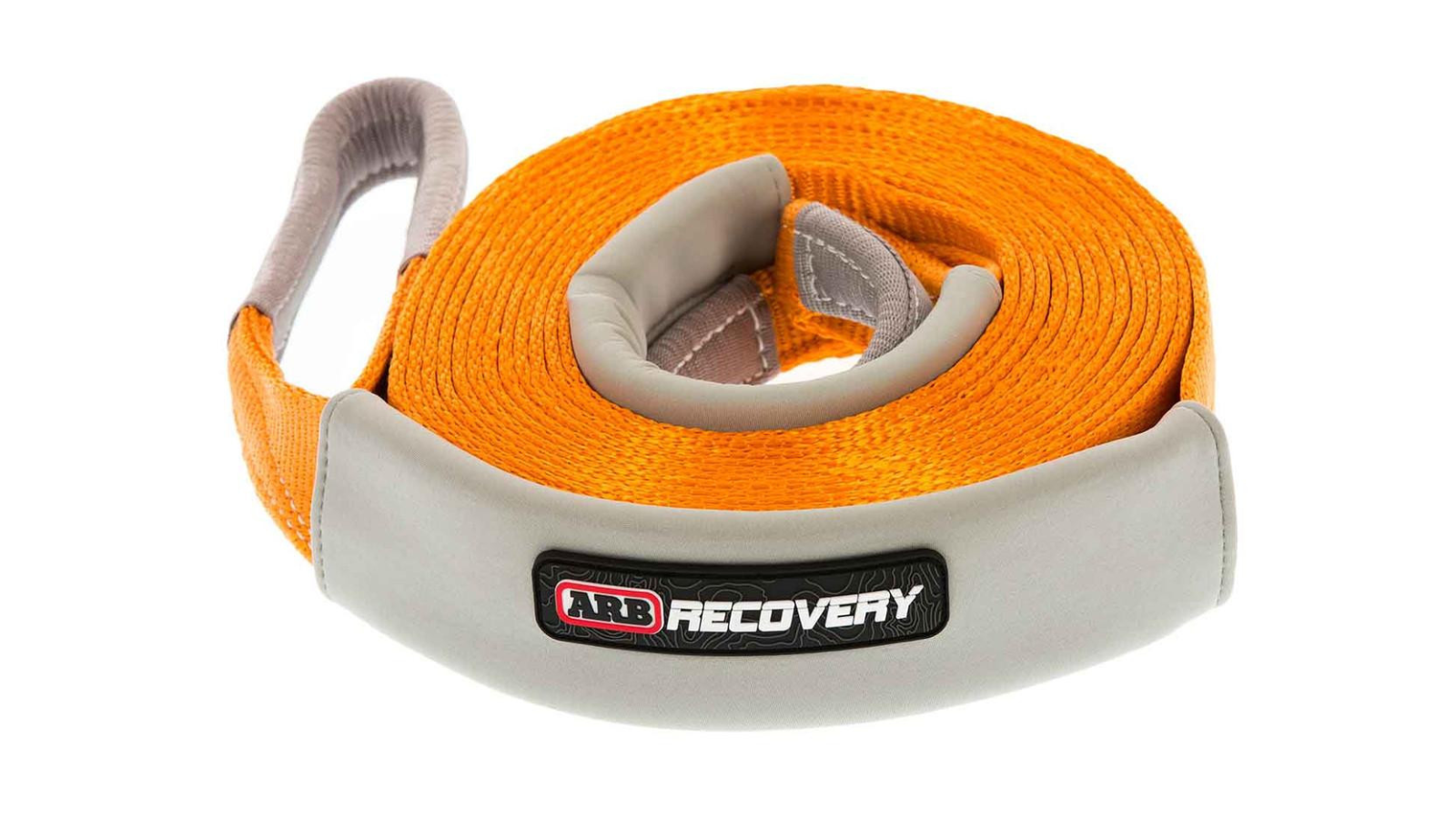
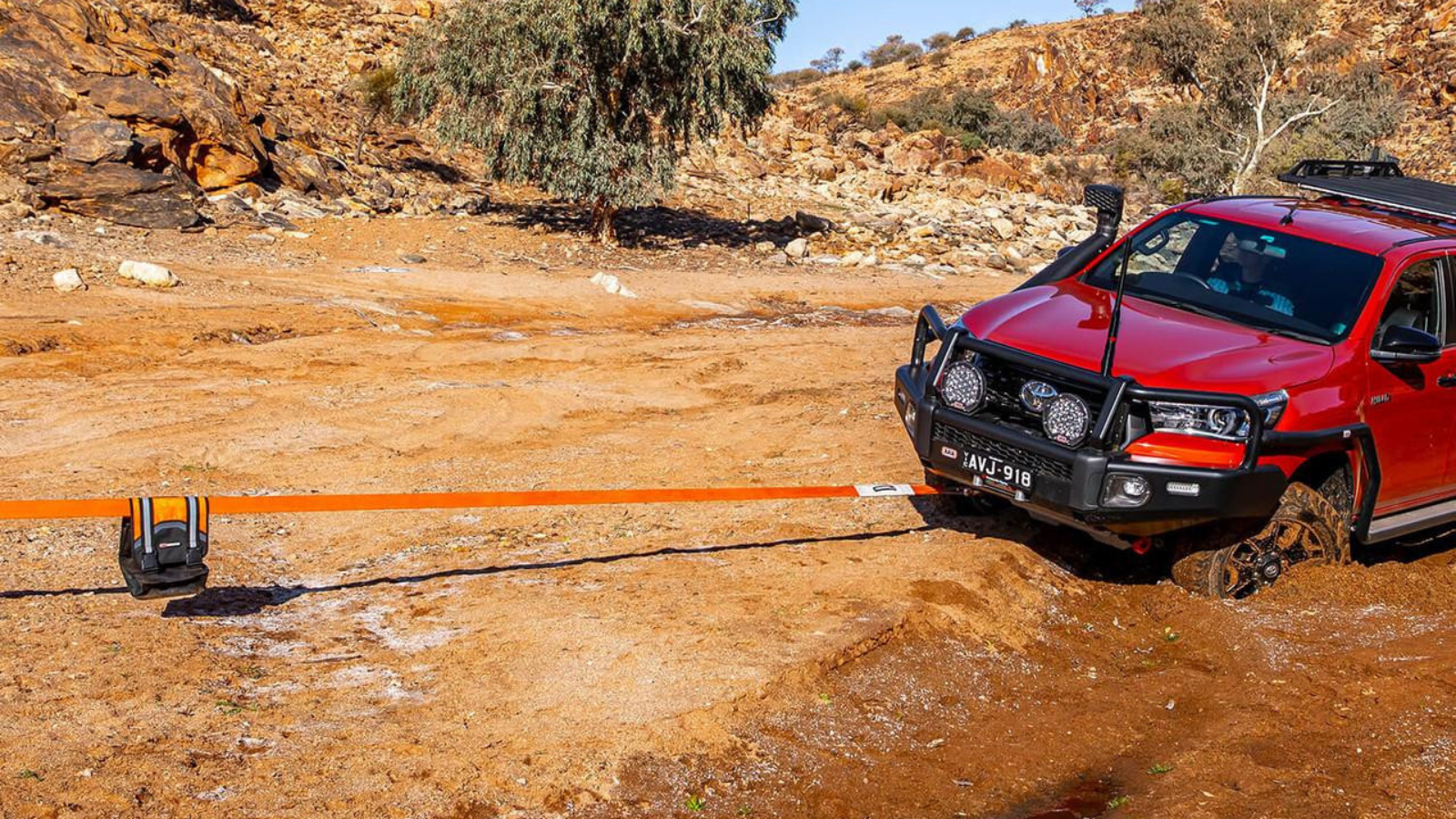
A snatch strap is a woven nylon strap built to stretch about 20% beyond its resting length. As the recovering vehicle drives forward, that elasticity combines with the vehicle's momentum to create a "snatching" effect: the strap flexes and stores kinetic energy, then releases it in a single burst that pulls the stuck vehicle free without overloading the recovery points on either end. A standard tow strap can't do this, since it isn't built to stretch or store energy the same way. Because of that stored energy, everyone nearby should stay well clear of the strap and both vehicles during the pull.
One more thing worth knowing: recovery straps need rest periods between pulls. Repeated use in a short window can build up heat and increase the risk of failure, so give the strap time to fully return to its original length before using it again.
The rating on your straps matters. To figure out the capacity, start with your truck's gross vehicle weight rating (GVWR) and multiply by 2-3 to find your minimum breaking strength (MBS). Go too light, and the strap can snap under load. Go too heavy, and it won't stretch enough to build the kinetic energy needed to break the vehicle free, putting more stress on the recovery points instead.
Shackles
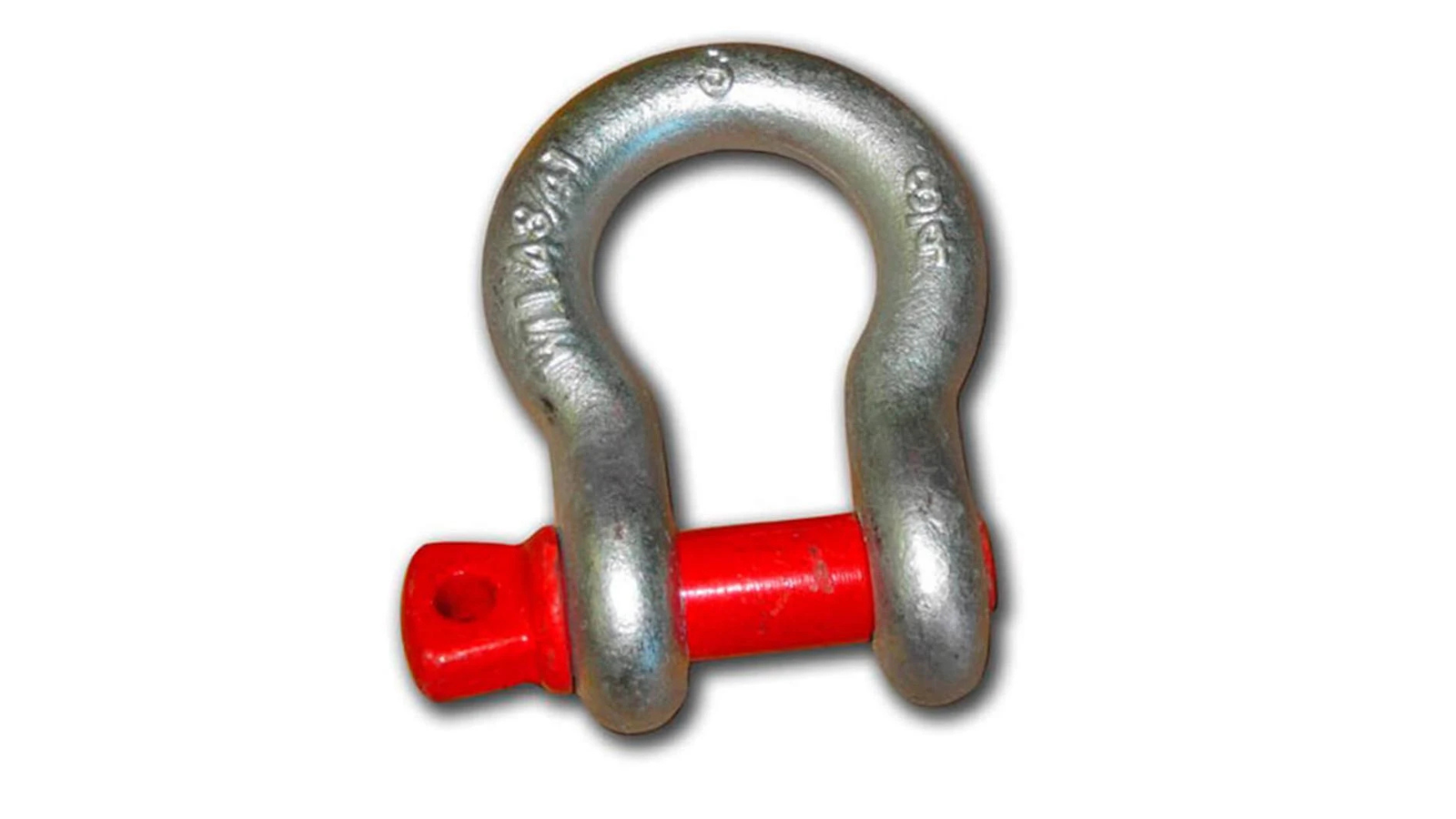
Shackles are what connect everything, from rated recovery points on both vehicles to the strap between them, or even two winch-line components. That’s why buying your shackles in pairs is so important, so you're not stuck improvising if you only have one.
To determine the capacity of your shackles, look for a Working Load Limit marked right on the shackle, rated to at least 3.25 tons and matched to your strap. An under-rated shackle becomes the weak link in the whole system no matter how strong the strap is. We also recommend a galvanized finish, since corrosion will weaken a shackle over time.
That covers the non-negotiables. But we also suggest having a pair of gloves to protect your hands when handling your gear and a dedicated bag to keep all your gear together, so nothing gets lost or beat up bouncing around loose in the truck.
Why the ARB Weekender Recovery Kit Gets It Right
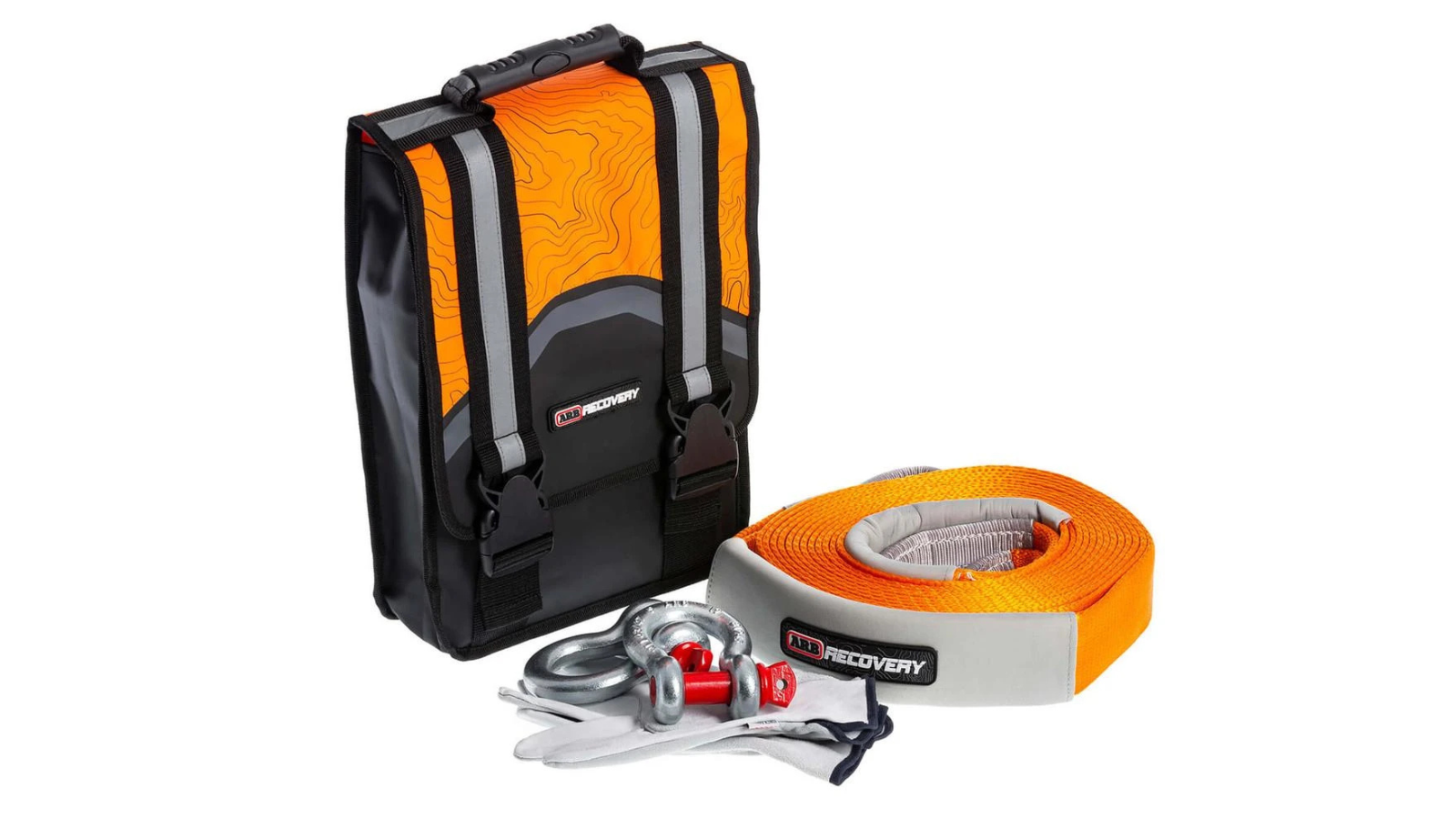
Now you know what a basic recovery kit needs. The next question is where to actually start when you're shopping for one, and we make that easy. The ARB Weekender Recovery Kit was built around this exact checklist, so there's no guesswork about whether you're covered. Our Weekender Recovery Kit comes with:
One ARB 17,600 lb snatch strap, rated for full-size 4x4 recoveries, kinetic or winch-assisted.
Two Type S galvanized shackles, rated to 4.75 tonnes, matched to the strap.
A pair of leather-palm recovery gloves, so you're never handling a strap or shackle bare-handed.
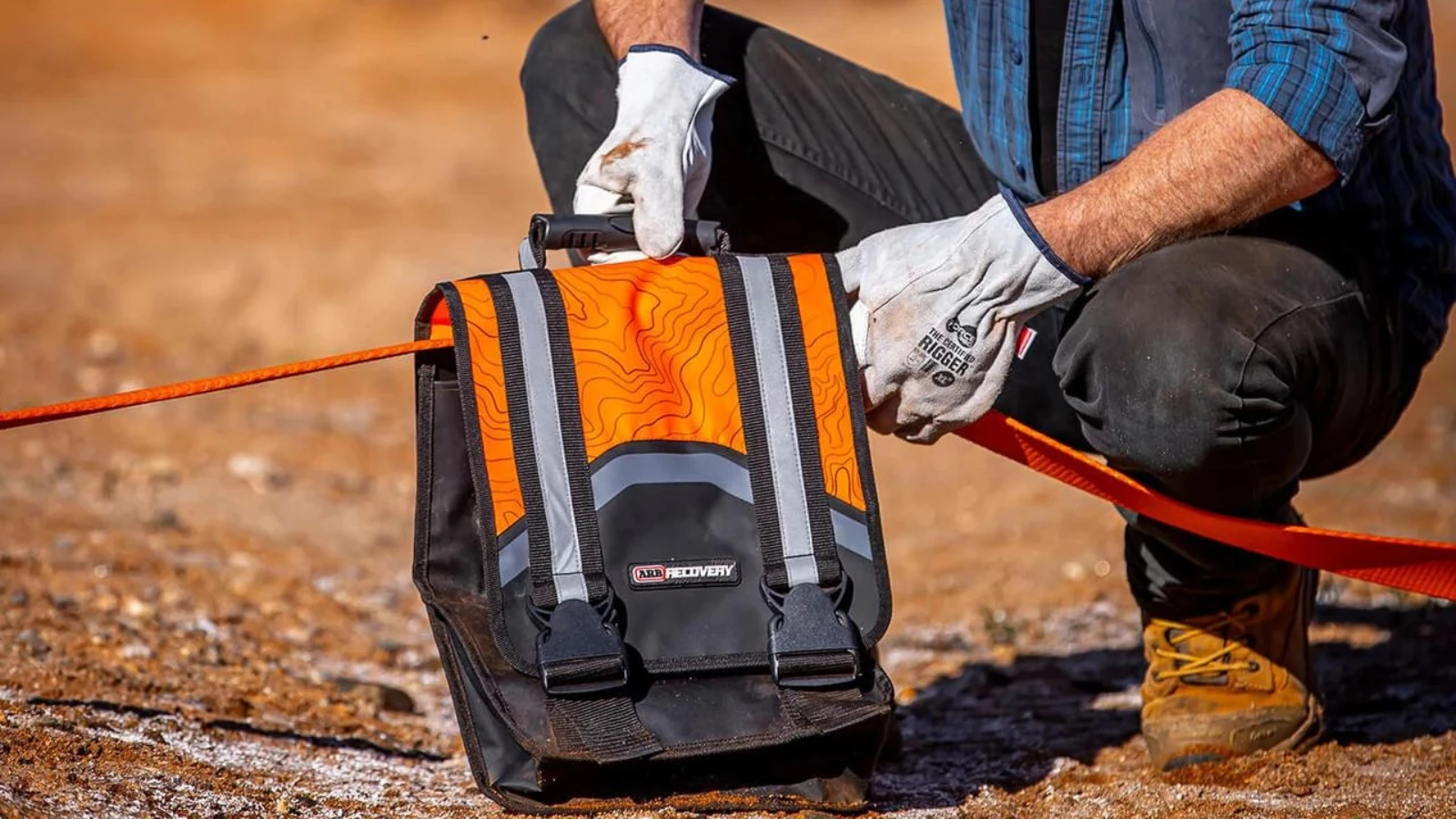
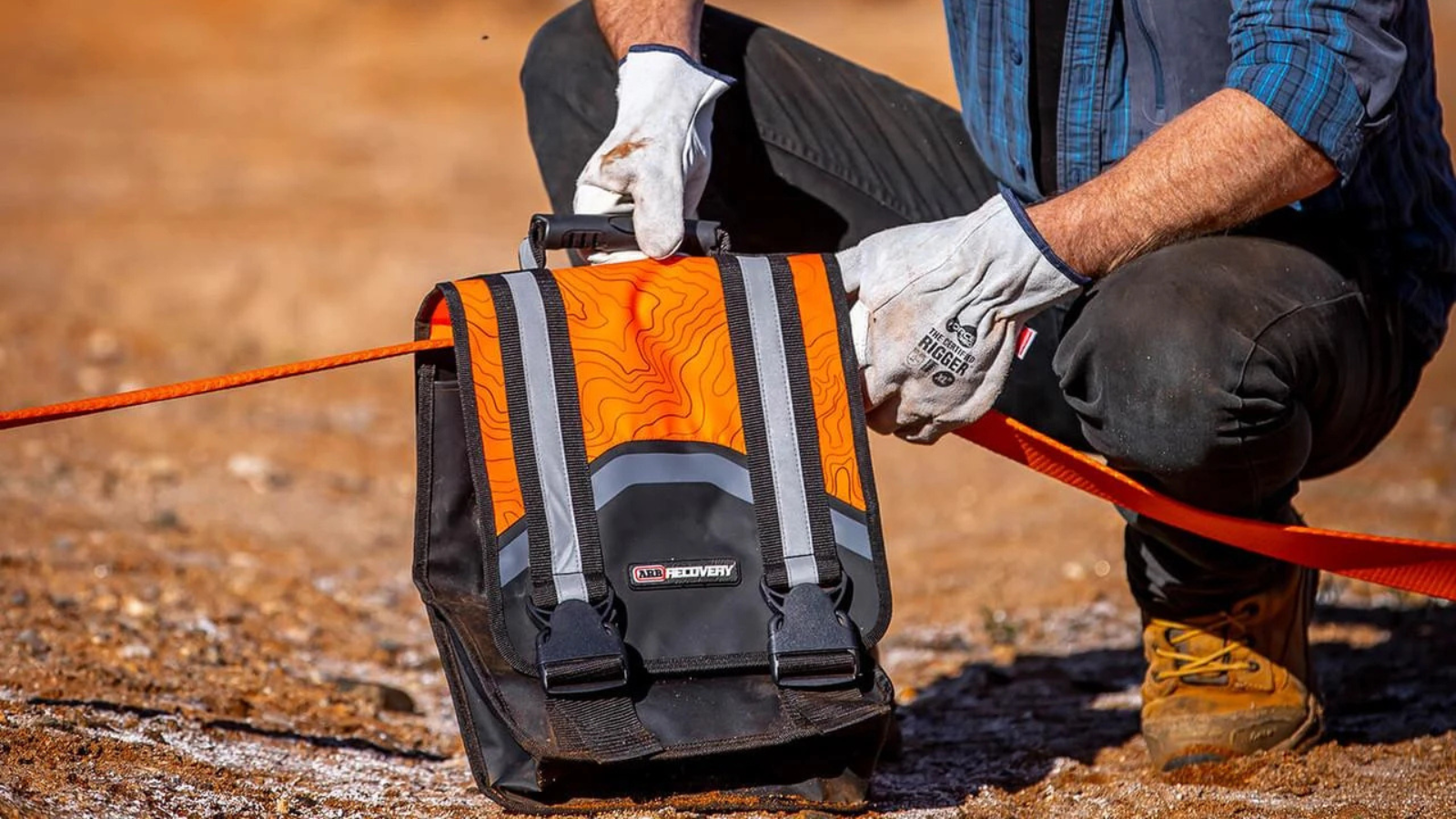
A rugged recovery bag with a 600gsm heavy-duty exterior, dual compartments, and sewn-in shackle holders, with room for more.
It's also CE Certified, which means the rated capacities on that strap and those shackles have been independently tested and verified. When gear is holding a vehicle's weight under load, that's worth knowing: the numbers you're trusting are backed up, not just claimed. Add in that every piece is engineered to work together instead of four separate purchases you'd have to rate-check yourself, and you've got what a complete recovery kit should actually deliver.
But before you go ahead and purchase our kit, we want to be transparent. It's called the Weekender Kit for a reason: it's not built for someone living out of their rig full time and putting gear through its paces every week. It's built for the person heading out on easy-to-moderate trails every so often, and who wants equipment that's dependable and ready to go. If you're looking for something rated for harder trails, another ARB recovery kit might be a better fit; check out our other options.
Complete Your Setup with an ARB Bumper and Winch
Ready to take your setup a bit further? Having a dedicated recovery point on your rig matters just as much as the gear you carry to use it. There are a few ways to get one, but the safest and most reliable is upgrading your front bumper.
Our front bumpers come in both winch and non-winch configurations. Whichever direction you go, you're getting a full steel unit in place of a factory bumper's thin stamped steel and plastic. Our bumper mounts to the chassis and protects many parts of your front end, including your radiator, headlights, and lower engine bay.
Not sure which one fits your rig? You can browse ARB's front bumpers and filter by your specific vehicle to see exactly what's available for your setup.
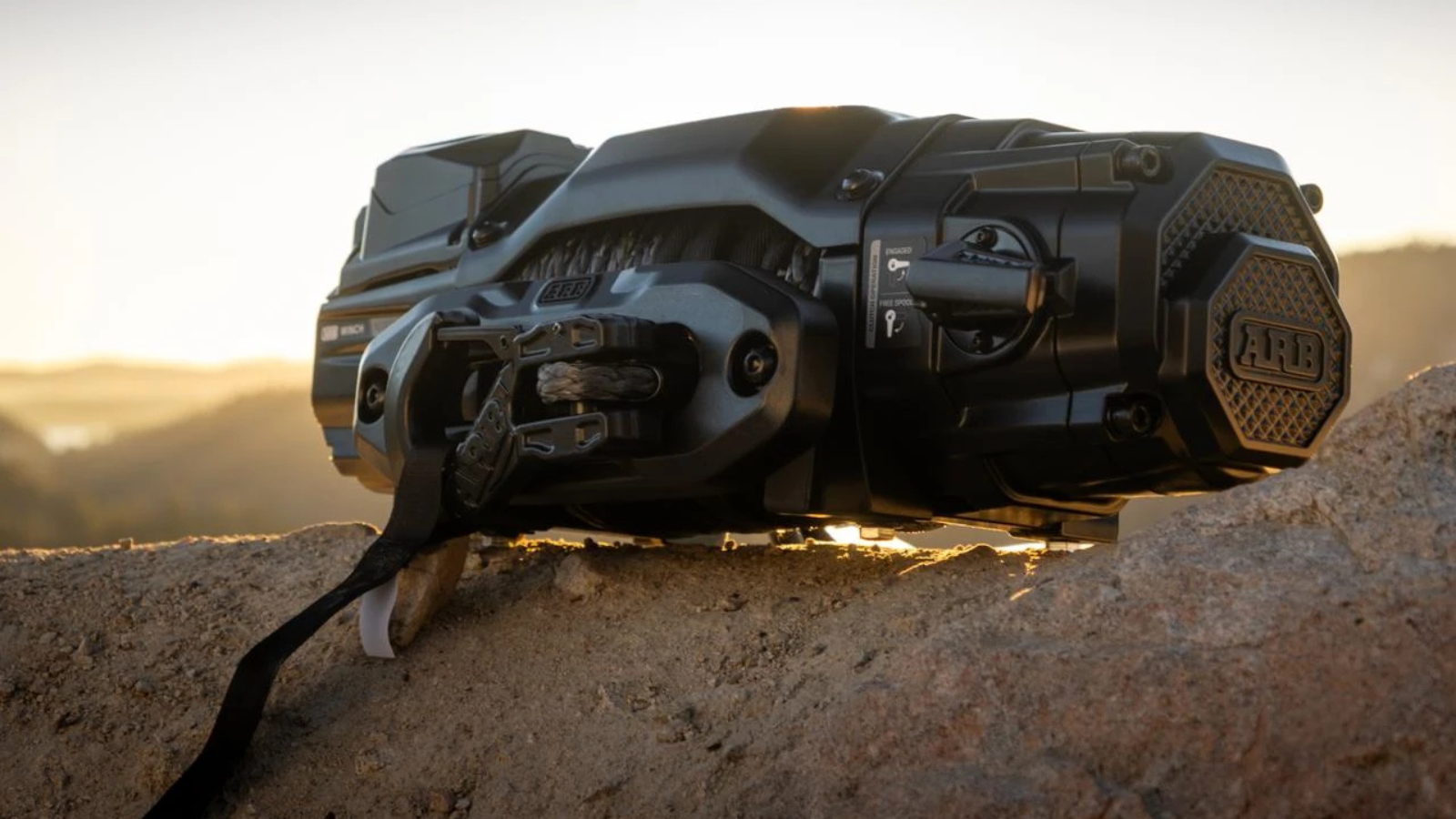
If you go the winch route, consider pairing your ARB front bumper with the ARB Winch. We offer it in 10,000 lb and 12,000 lb capacities, built around a synthetic rope instead of steel cable that's lighter, easier to handle, and safer if it ever lets go under load. And to get even more reach, pair it with an ARB Winch Extension Strap. The winch extension strap does exactly what its name says: it extends the reach of your winch line, connecting to your anchor point on one end and your winch cable on the other. It's built from 100% polyester with no stretch, and it adds 65 feet of length.
Get Your Complete Recovery Setup This September
A strap and shackles get you through the easy days. Add a bumper and winch, and you're even more prepared to head out on the trails.
This month we have a huge promotion going on. Buy an ARB Front Bumper with an ARB Winch between September 1 and September 30, and we'll include both the ARB Weekender Recovery Kit and the ARB Winch Extension Strap (over $300 in recovery gear) on us.
Together with the Weekender Kit, you'll be ready for anything the trail throws at you, without having to second-guess whether your recovery gear will actually get you out of it. Check out the ARB Weekender Recovery Kit and the rest of our recovery lineup at your local ARB dealer and get your setup complete before your next trip.